Jürgens Astrophotos
  • Home
  • amateur astronomy
  • Photobook
  • SEESTAR S50 recordings
  • Deep Sky - Galaxies, Nebulae
  • comets
  • planets
  • MOON
  • SUN
  • telescopes
  • about us
  • physics  
  • Photobook  
     
    Jürgens Astrophotos
      • Home
      • amateur astronomy
      • Photobook
      • SEESTAR S50 recordings
      • Deep Sky - Galaxies, Nebulae
      • comets
      • planets
      • MOON
      • SUN
      • telescopes
      • about us
      • physics  
      • Photobook  

      SEESTAR S50 recordings


      • album

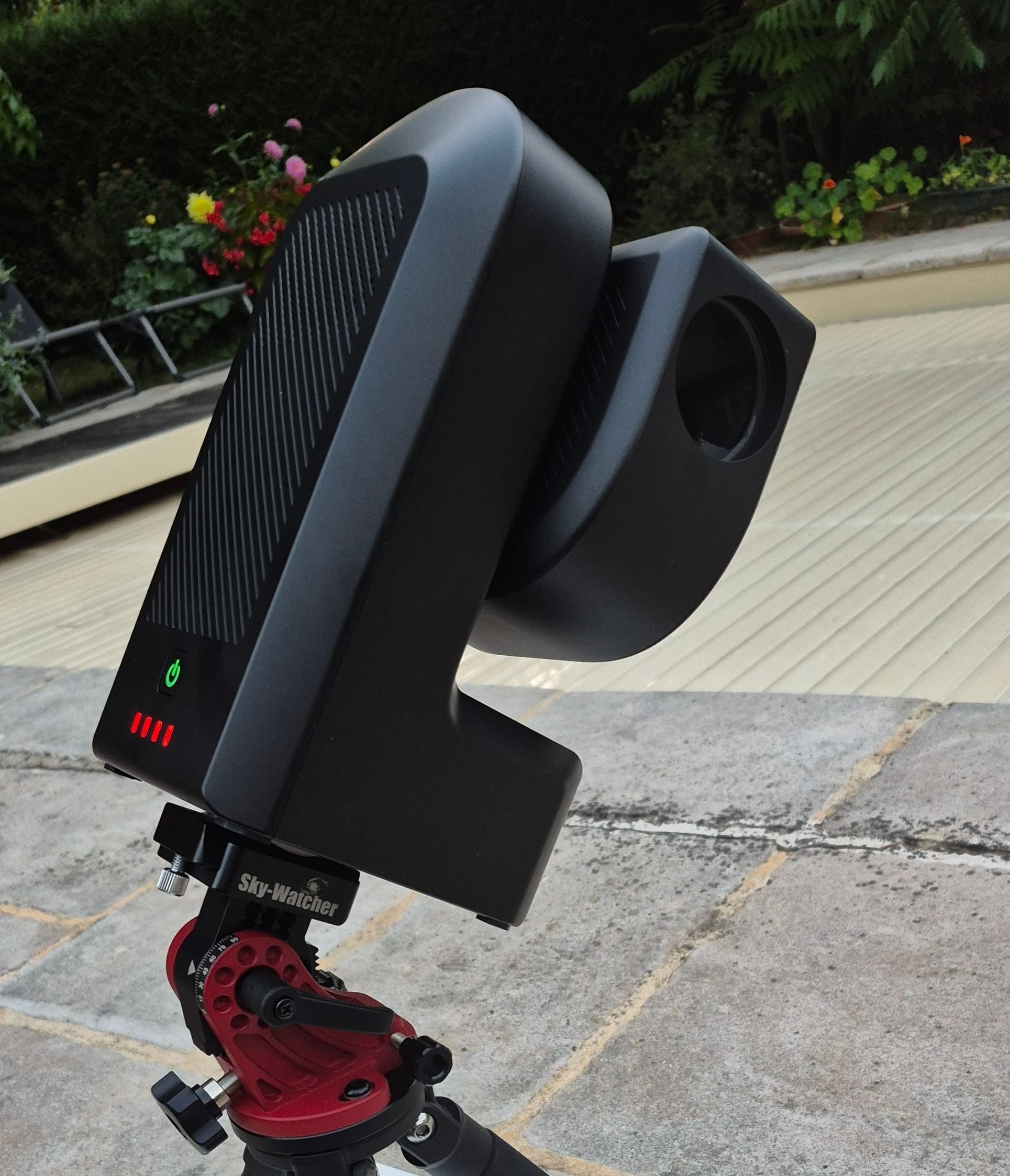
      • SEESTAR S50 Smart Telescope

        The SEESTAR S50 has been a part of my telescope collection since July 2025. Compared to my 20-year-old Celestron C8 SCT, setting it up and starting to take pictures takes just a few minutes. The C8, of course, has the advantage of a larger aperture (20 cm vs. 5 cm), and the cooled sensor ensures less image noise.

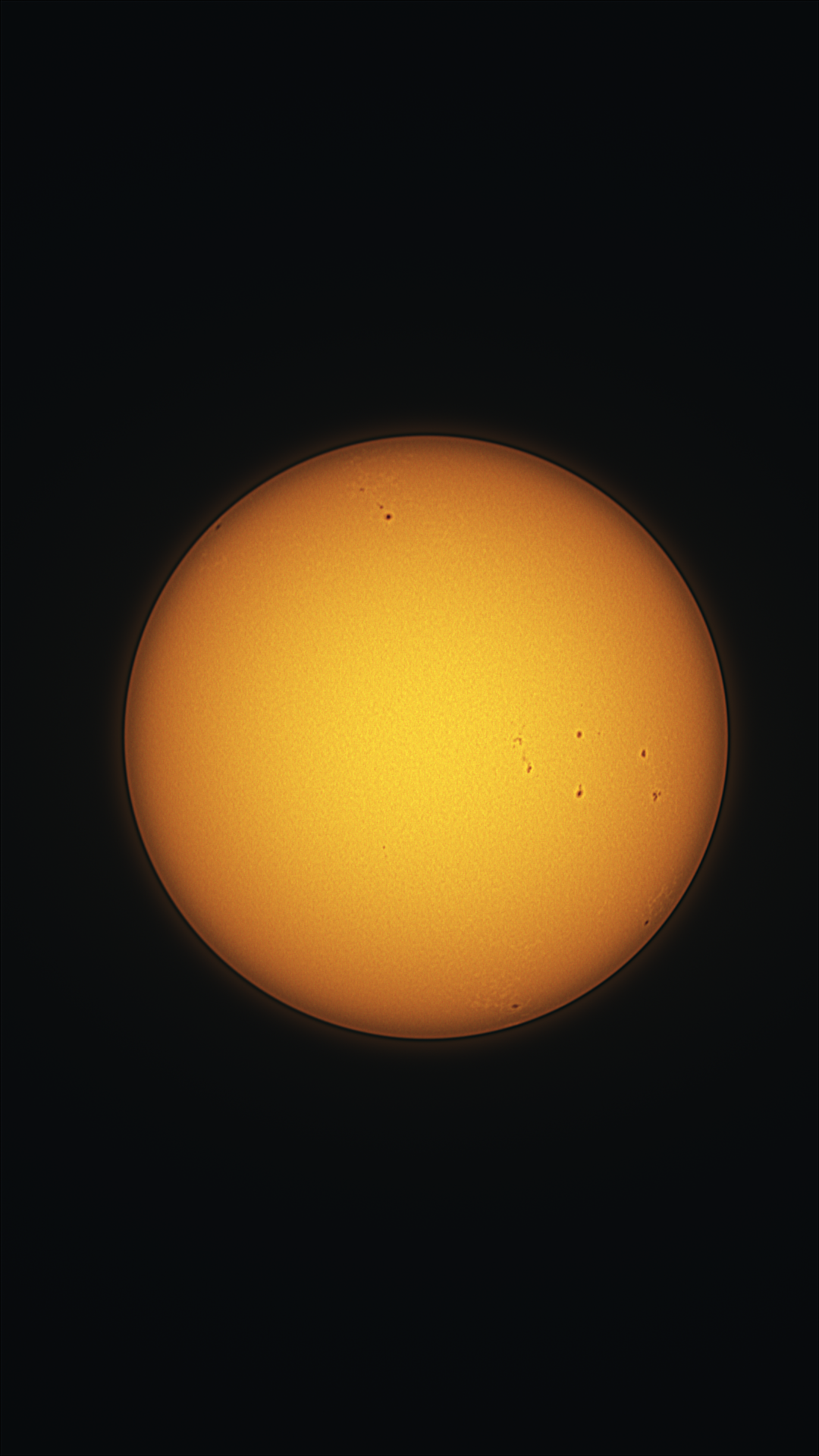
      • Sun - First picture with Seestar S50

        Finally, cloud-free skies. I was able to capture my first image of the sun. Hopefully, it stays cloud-free tonight as well. The true strength of this telescope lies in galaxies and nebulae. Image taken: July 30, 2025

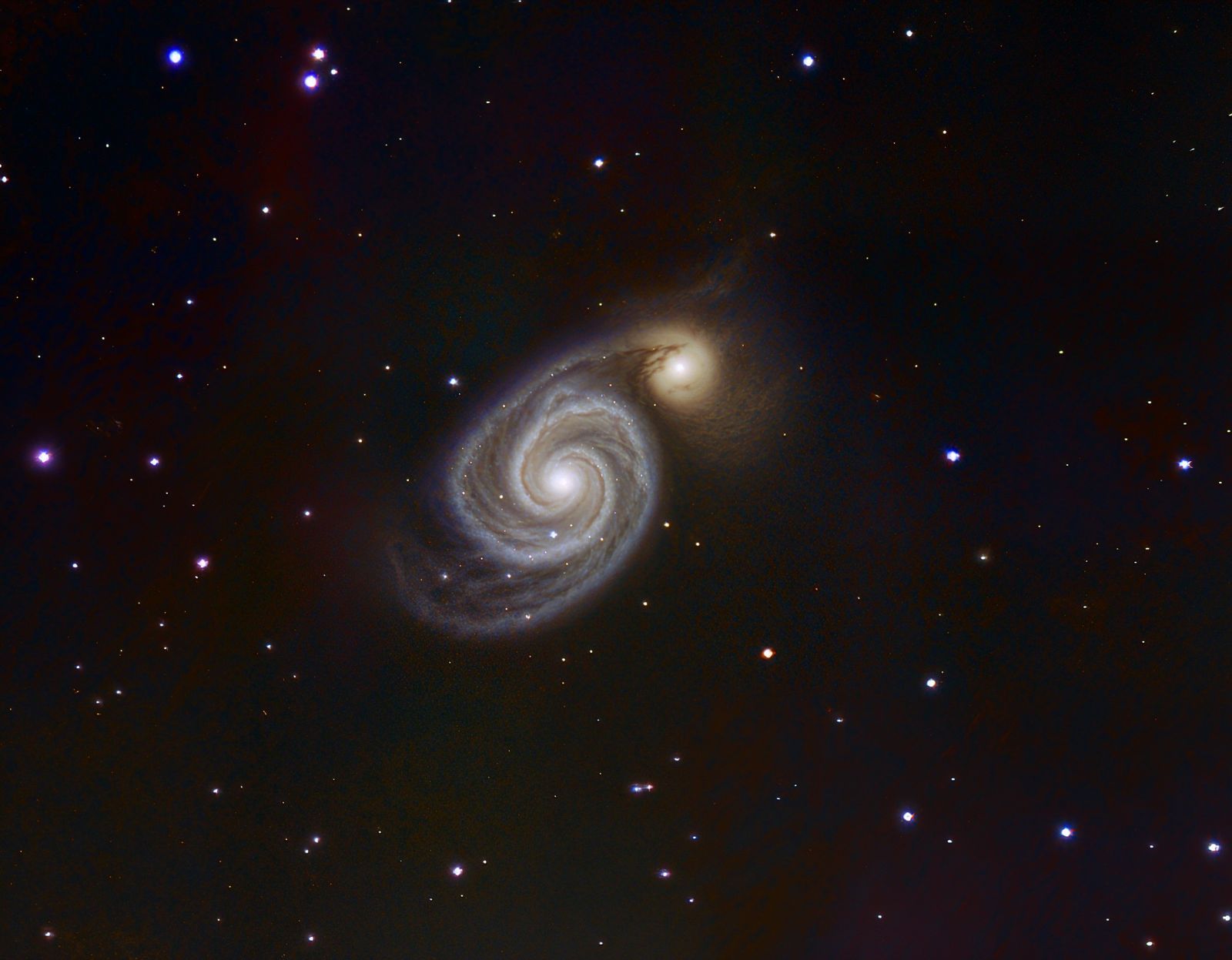
      • Whirlpool Galaxy (Messier 51)

        The first galaxy captured with the new Seestar S50 telescope: the Whirlpool Galaxy Messier 51, captured on two consecutive nights. Each time, between the end of dusk and the appearance of clouds. Total exposure time: 2 hours.

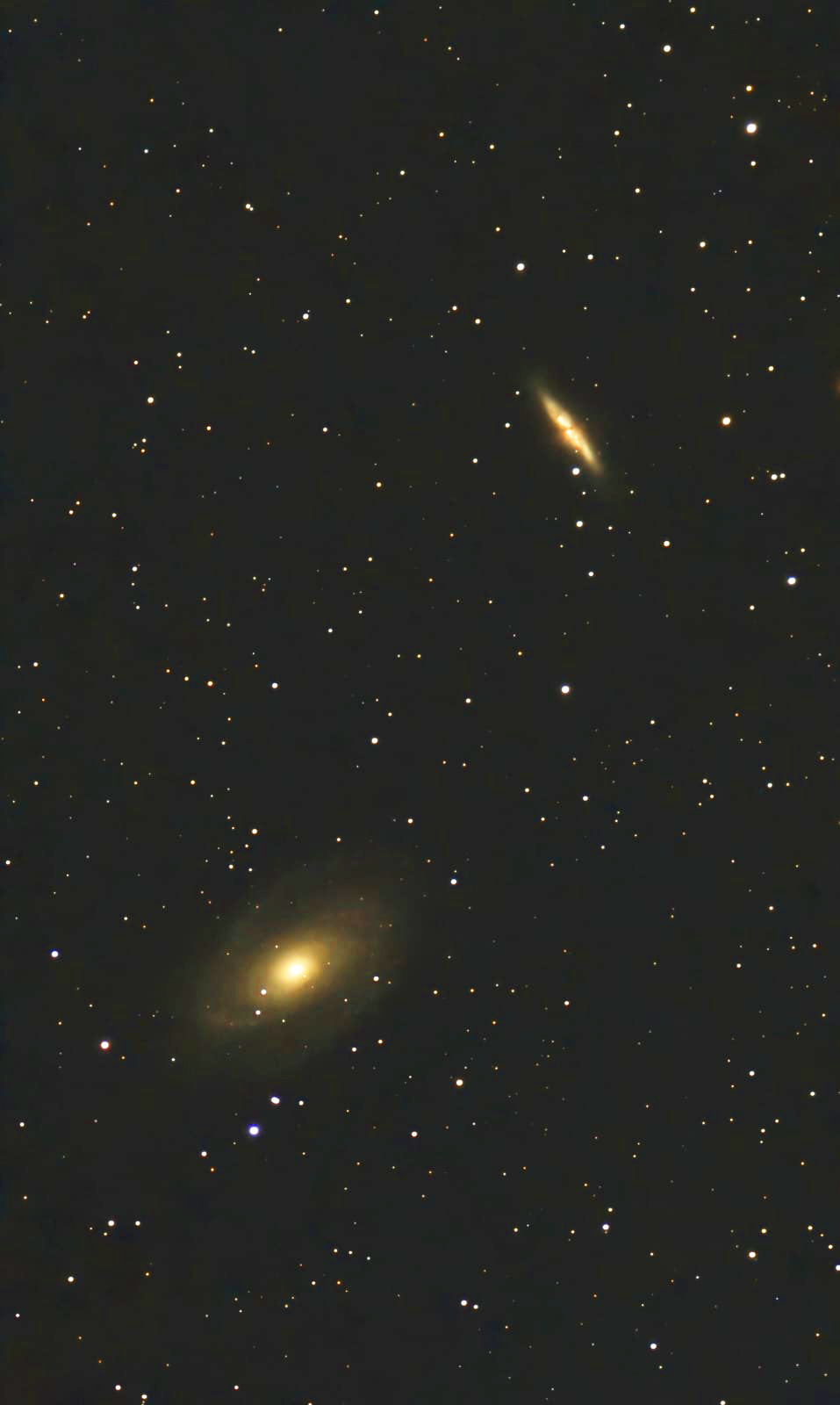
      • Messier 81 and 82

        The two galaxies are so close together in the sky that they fit in one picture.

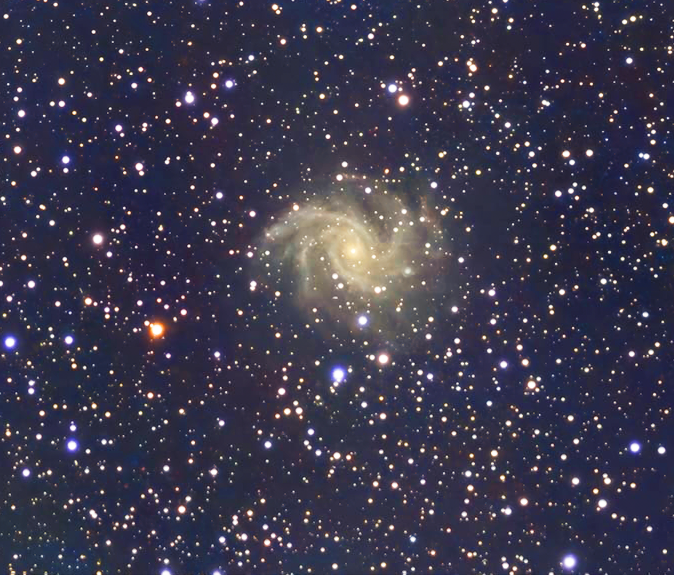
      • Fireworks Galaxy (NGC 6946)

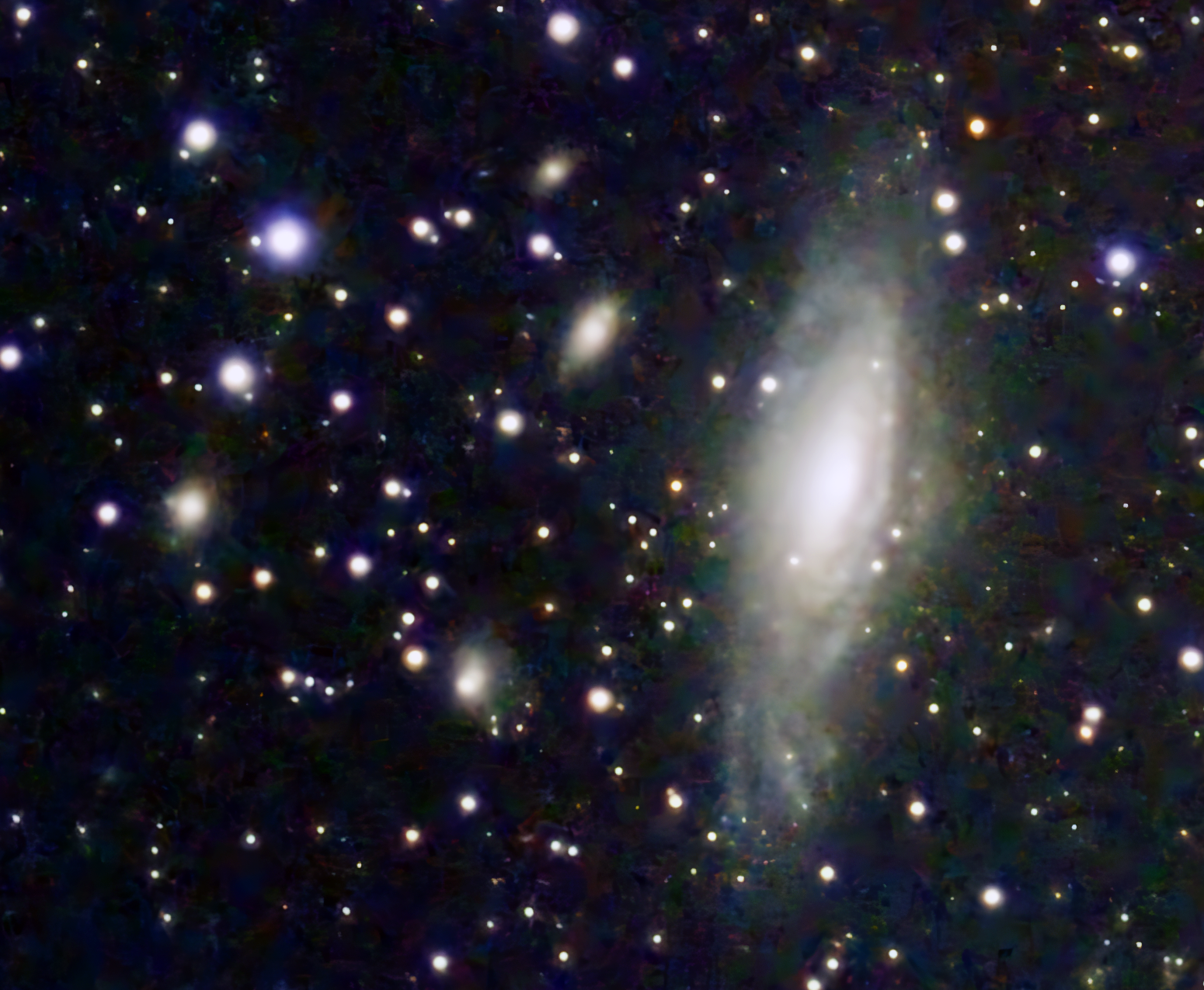
        The Fireworks Galaxy (NGC 6946; distance 25 million light-years) was seen last night. Its name comes from the fact that 10 supernova explosions have been observed here in the last hundred years. This puts the Fireworks Galaxy at the top of the list. The light from this galaxy must have penetrated a dense region of our Milky Way, filled with interstellar gas. Many of the Milky Way's stars can also be seen in the surrounding area. The exposure time was just under 3 hours. The still almost full moon slightly distorted the image.

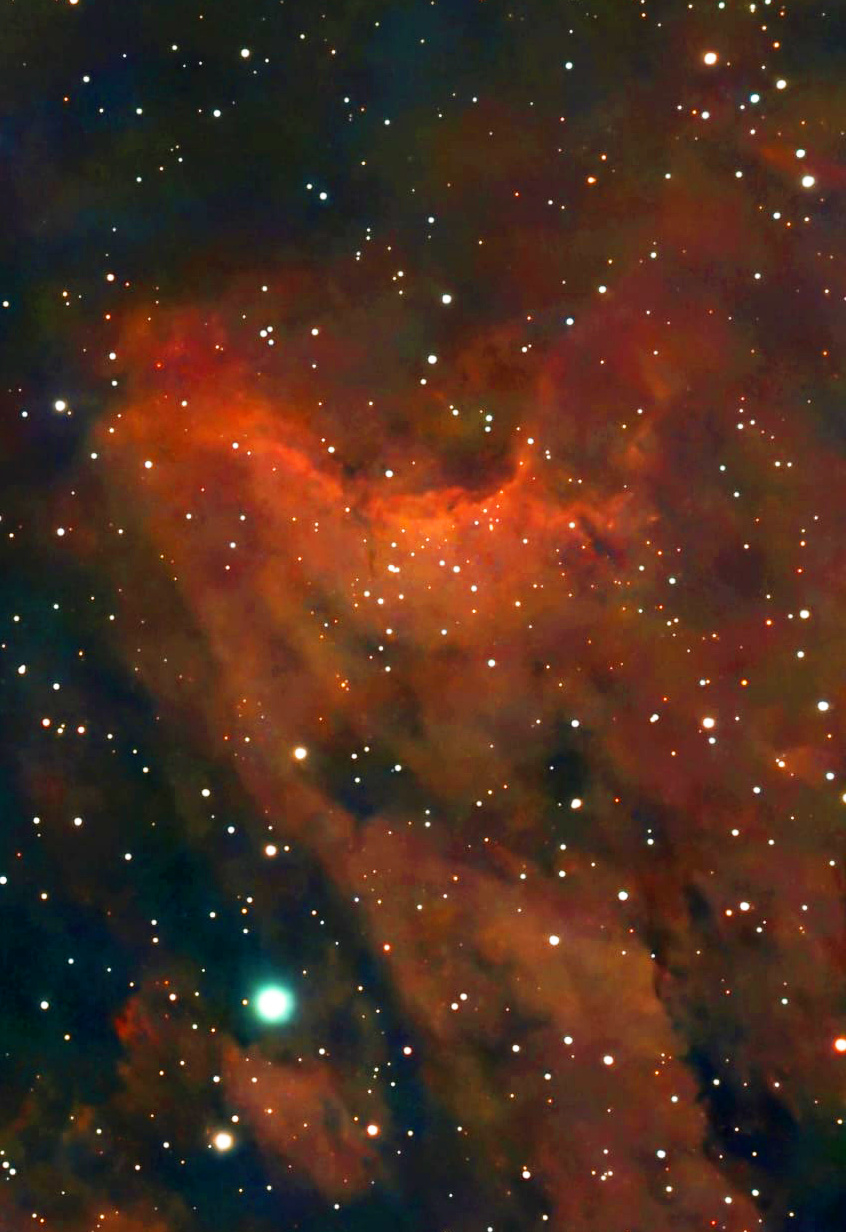
      • Pelican Nebula (IC 5070)

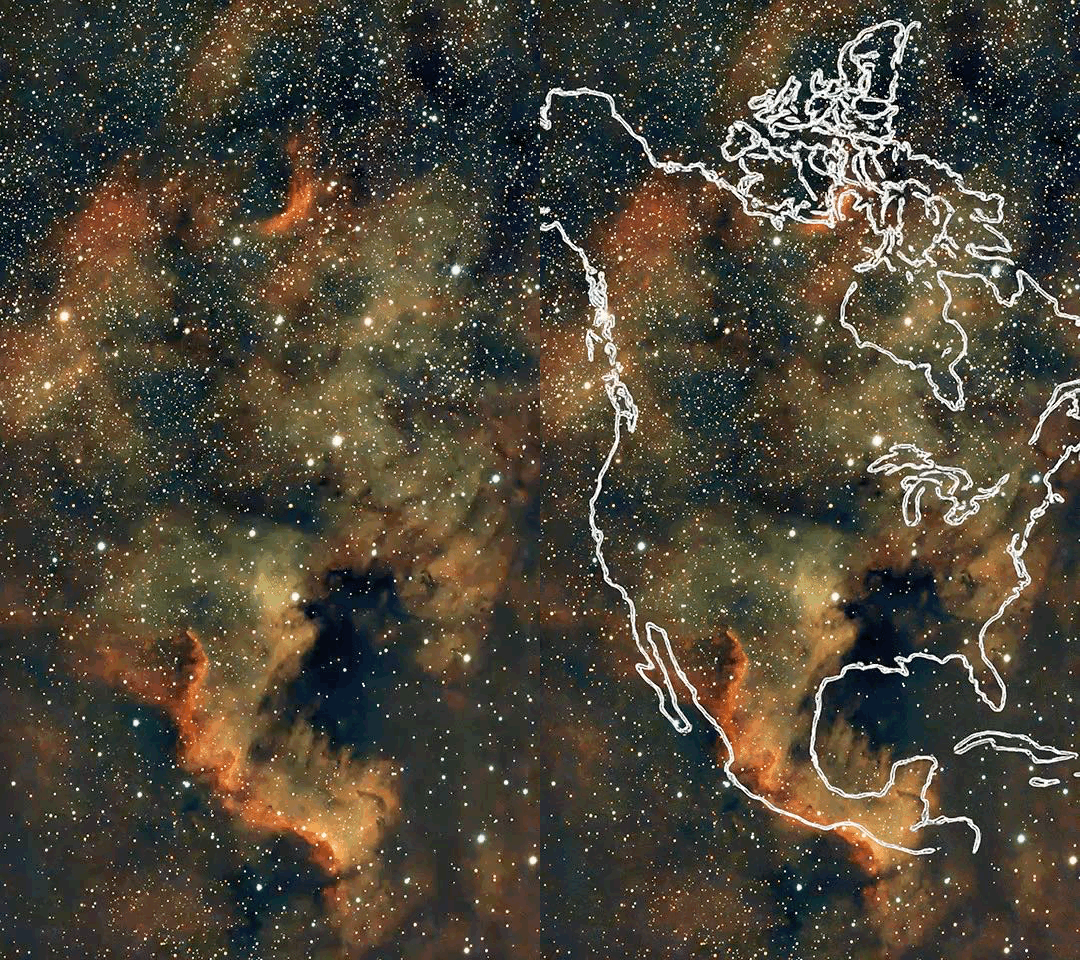
        The Pelican Nebula (IC 5070) in the constellation Cygnus is about 2,000 light-years away. New stars are forming in this region. Did you spot the pelican's beak?

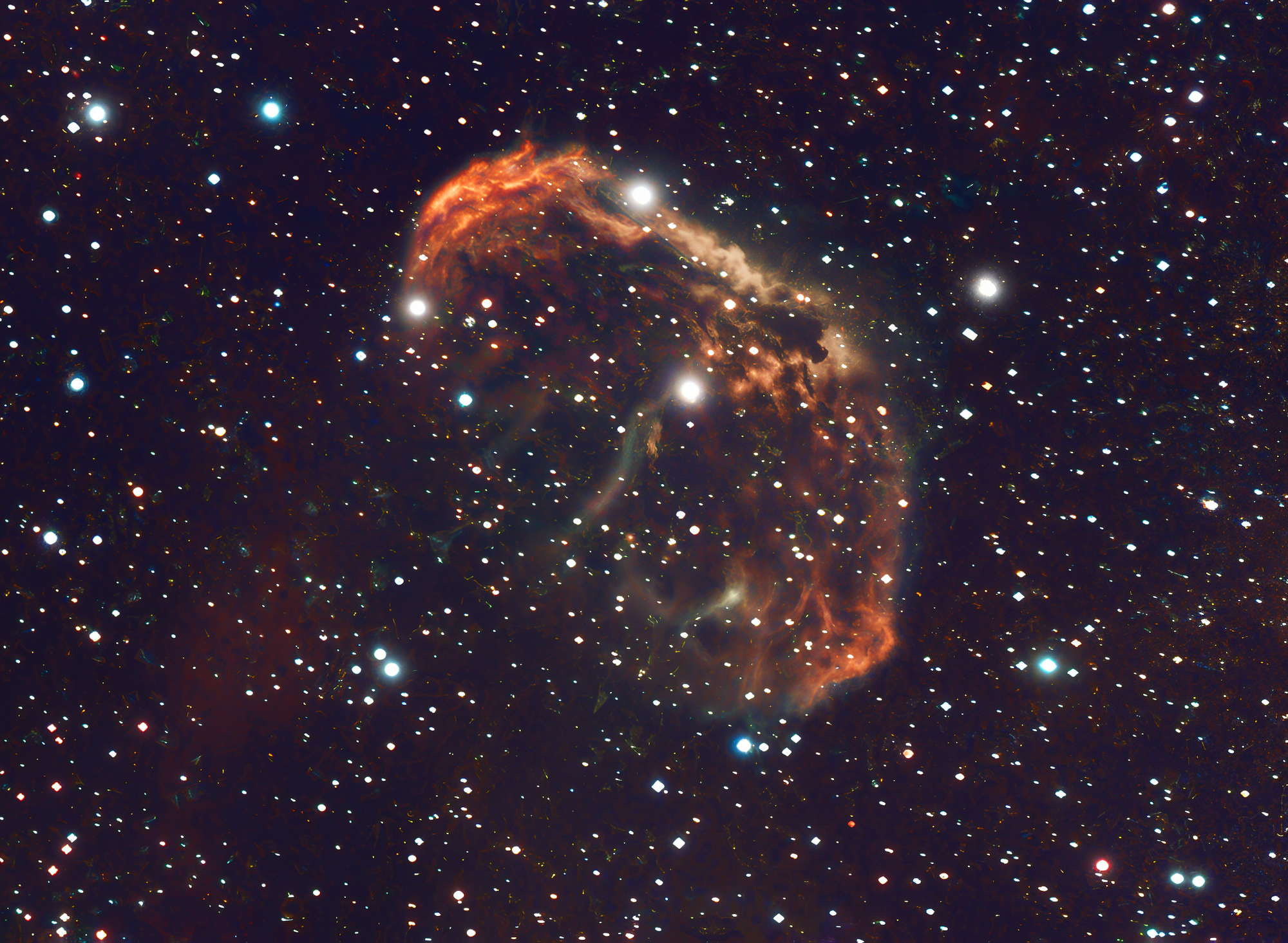
      • Crescent Nebula NGC 6888

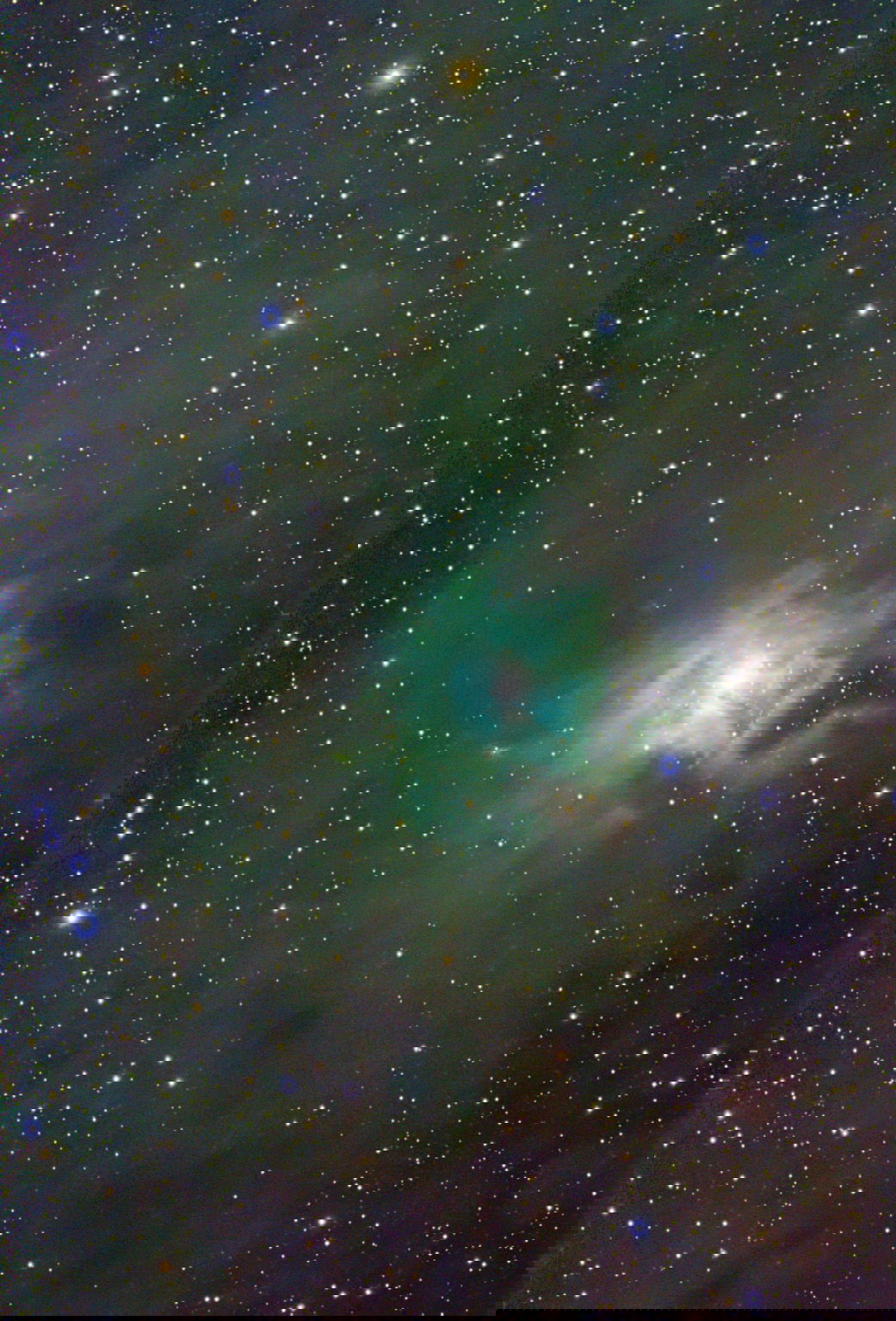
        On August 4, 1925, I imaged the Crescent Nebula NGC 6888. It is approximately 5,000 light-years away. WR 136 is a Wolf-Rayet star in the constellation Cygnus. It is located at the center of the Crescent Nebula. It is about 5 million years old. It is nearing the end of its life. Within a few hundred thousand years, it will explode as a supernova. The star is 600,000 times brighter than the Sun, 21 times more massive, and 5.1 times larger. Its spectrum shows that it has formed carbon and nitrogen. Its surface temperature is about 70,000 Kelvin. WR 136 shed a shell with a mass of about 5 solar masses when it became a red supergiant about 120,000–240,000 years ago. This shell is still expanding at 80 km/s. Currently, the fast stellar wind, ejected by the star at about 1,700 km/s, is catching up with the ejected material. Ultraviolet rays emanating from the hot surface of WR 136 cause the shell to glow as a crescent nebula.

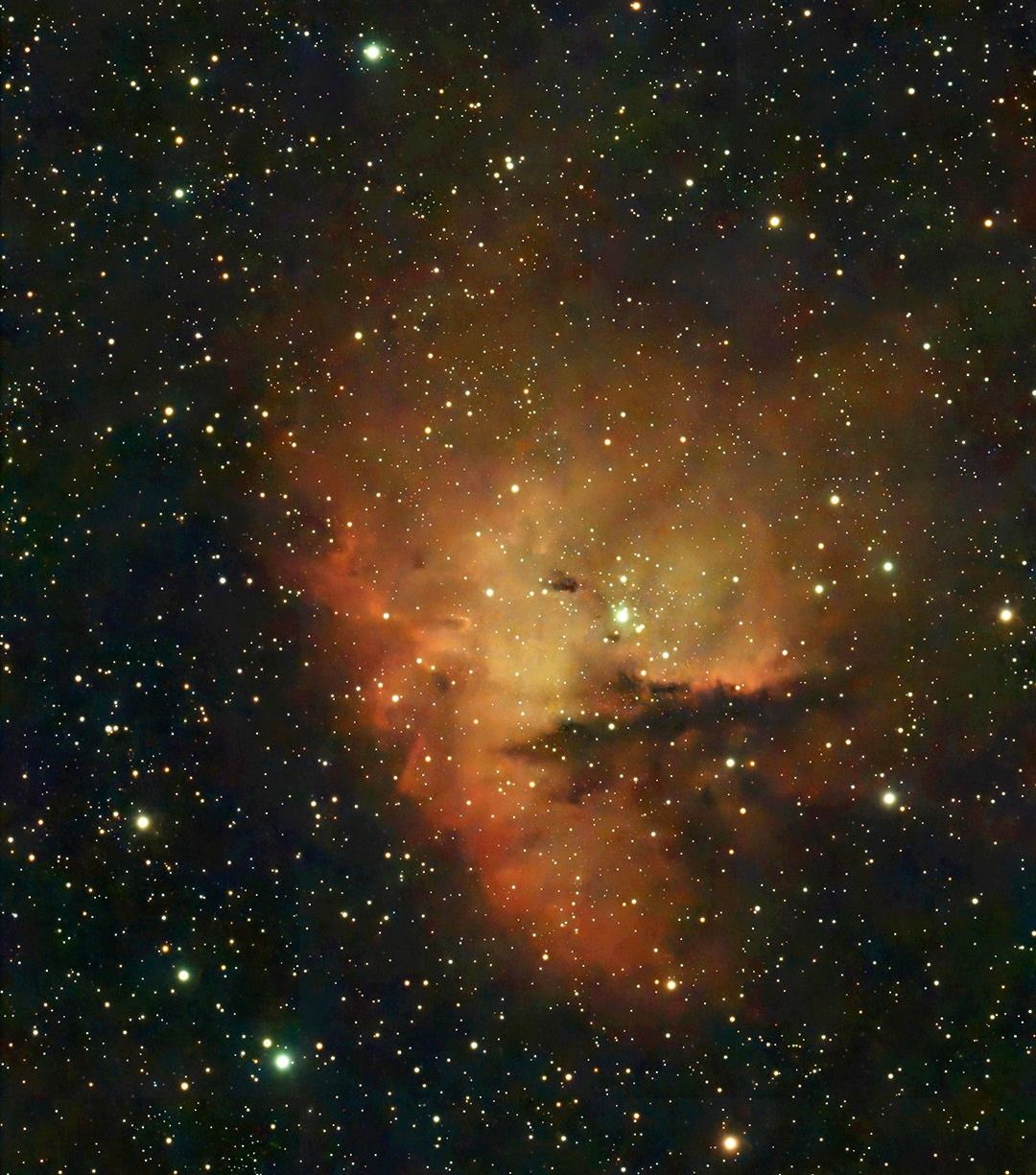
      • Pac-Man Nebula NGC 281

        The Pac-Man Nebula (NGC 281) is 9,200 light-years away and has a diameter of 100 light-years. It is part of the Perseus Arm of the Milky Way. It is farther from the center of our galaxy than the solar system. Image taken on August 15, 2025 - exposure 60 minutes.

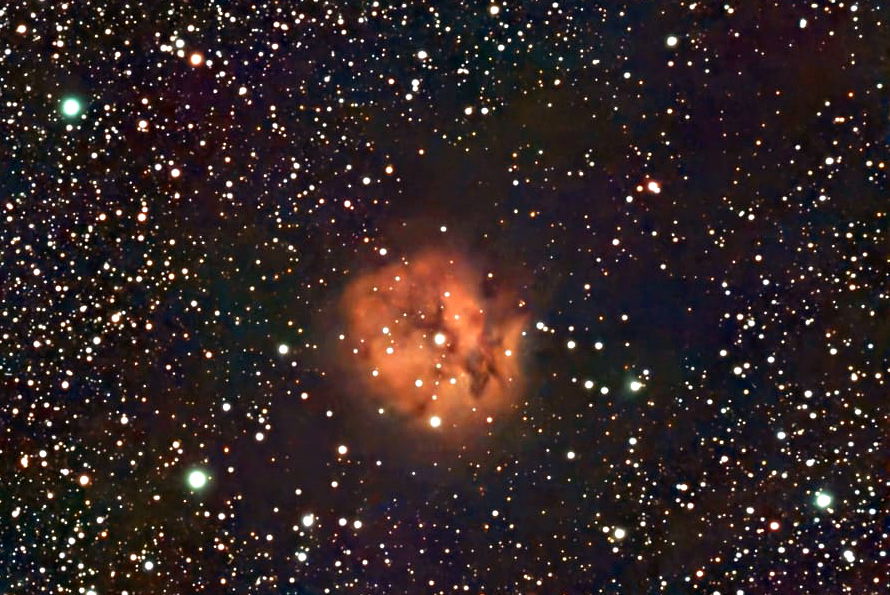
      • Cocoon Nebula (IC5146)

        Another gem in our galactic neighborhood: the Cocoon Nebula, just 2,500 light-years away. A four-and-a-half-hour exposure with the Stargazer.

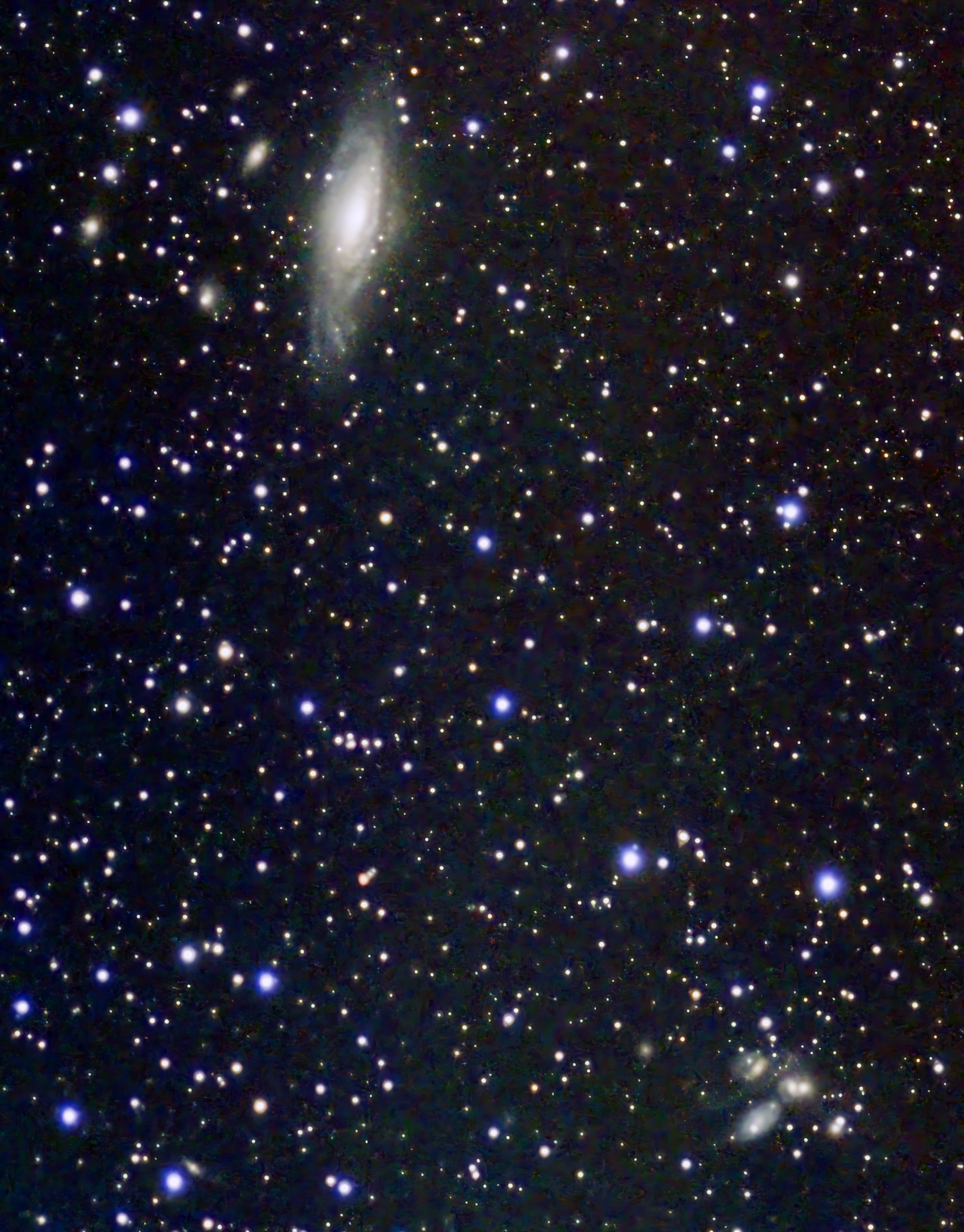
      • 10 galaxies in one picture

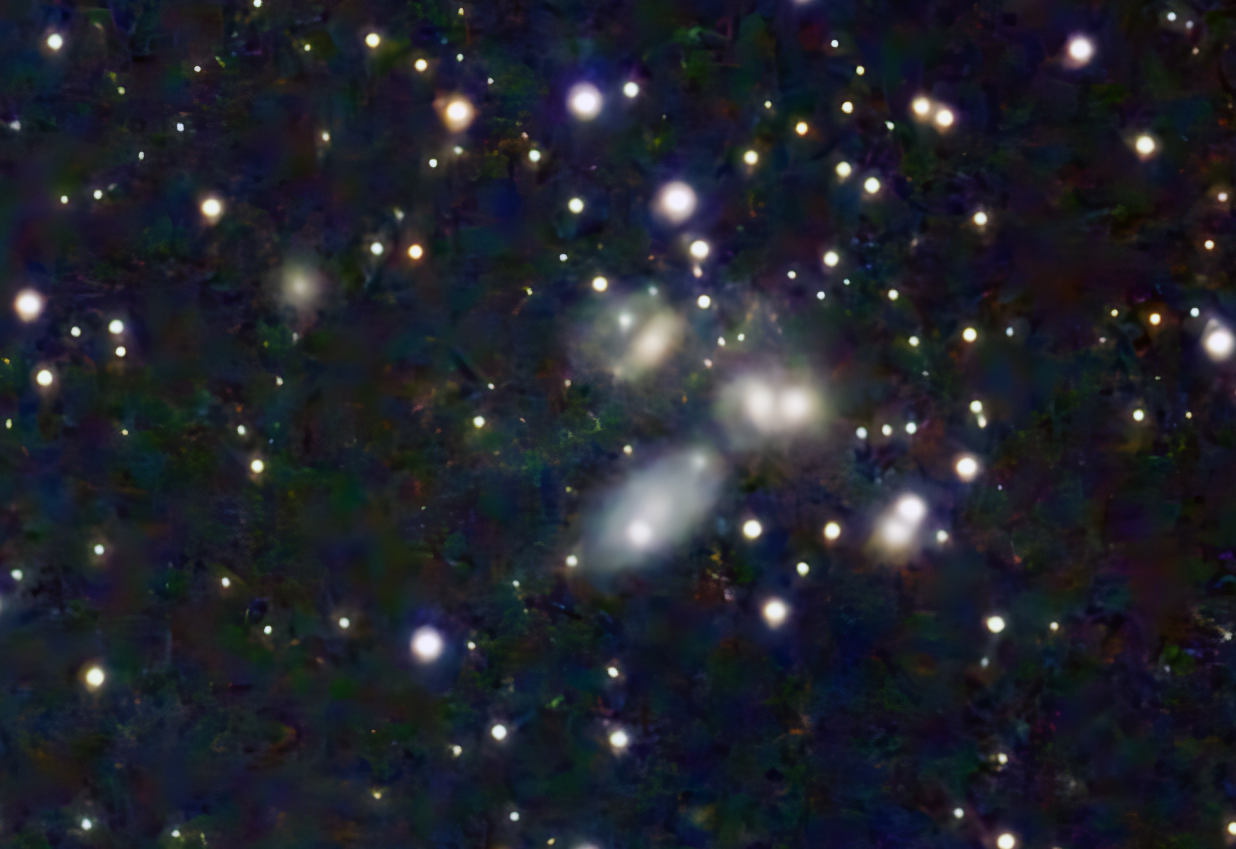
        Top right is the NGC 7331 group; bottom left is Stephan's Quintet. Each of the two groups contains a galaxy approximately 40 million light-years away and four other galaxies at distances between 300 and 350 million light-years.

      • The NCC7331 group

        The larger galaxy is 40 million light-years away and serves as the foreground of the group of four galaxies at a distance of 300-350 light-years

      • Stephan's Quintet

        The lower-left galaxy (NGC 7320) has a low redshift (790 km/s), while the other four have large redshifts (nearly 6,600 km/s). Because galactic redshift is proportional to distance, NGC 7320 is only a foreground projection and is approximately 39 million light-years from Earth. This makes it a possible member of the NGC 7331 group, compared to the 210–340 million light-years of the other four.

      • Iris nebula

        NGC 7023, the Iris Nebula. Summary of images taken over 3 days with an exposure time of over 5 hours.

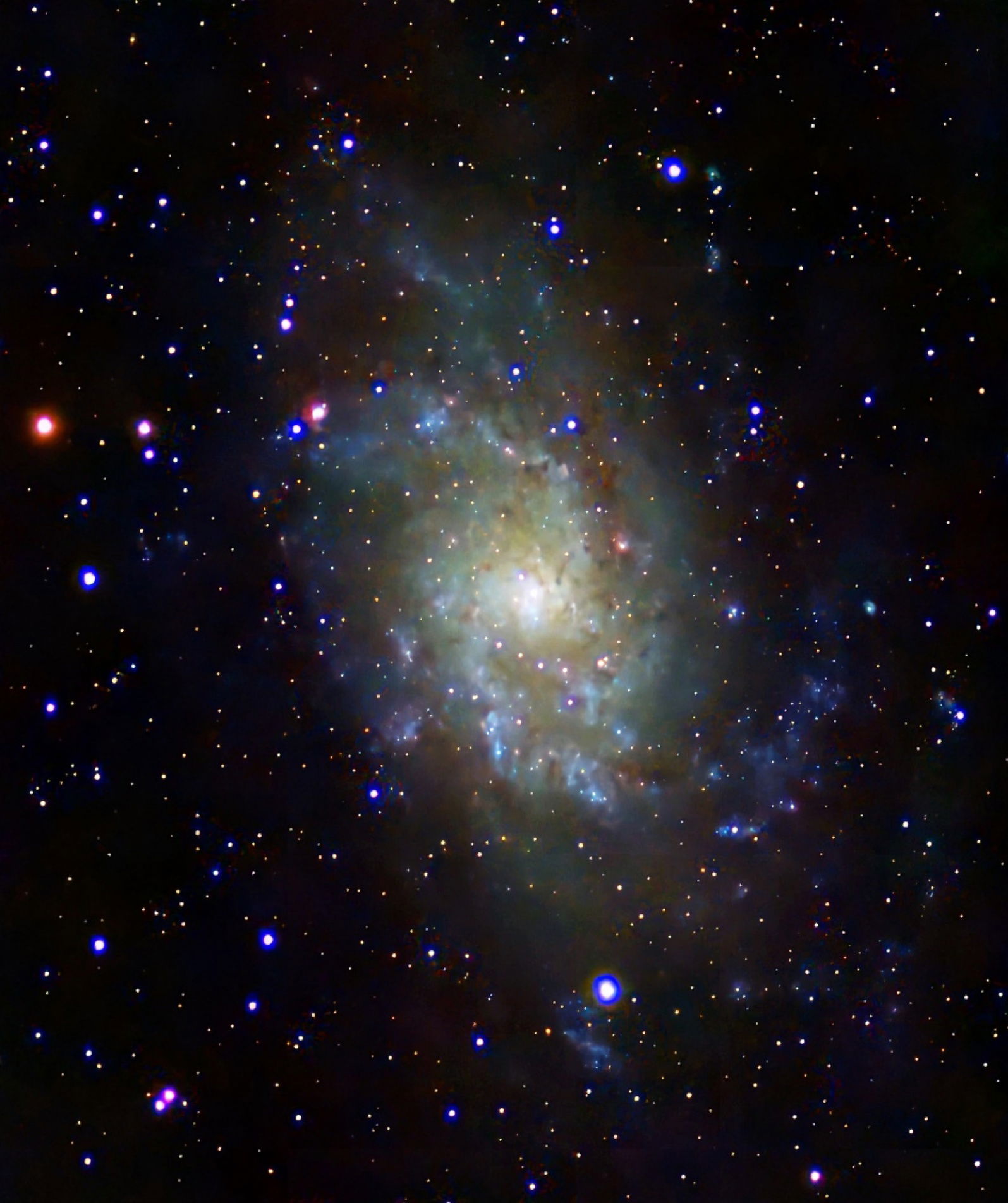
      • Triangulum Galaxy

        The Triangulum Galaxy (Messier 33 or M33) is the third largest galaxy in our Local Group, after the Andromeda Galaxy (M31) and the Milky Way. At just under 3 million light-years, it is only slightly farther away than Andromeda. The red spots in the spiral arms are regions of star formation. With a diameter of 60,000 light-years, M33 is only half the size of the Milky Way and M31. The mass of M33 is equivalent to 50 billion solar masses. Image taken September 28-29, 2025 - exposure time 3.5 hours.

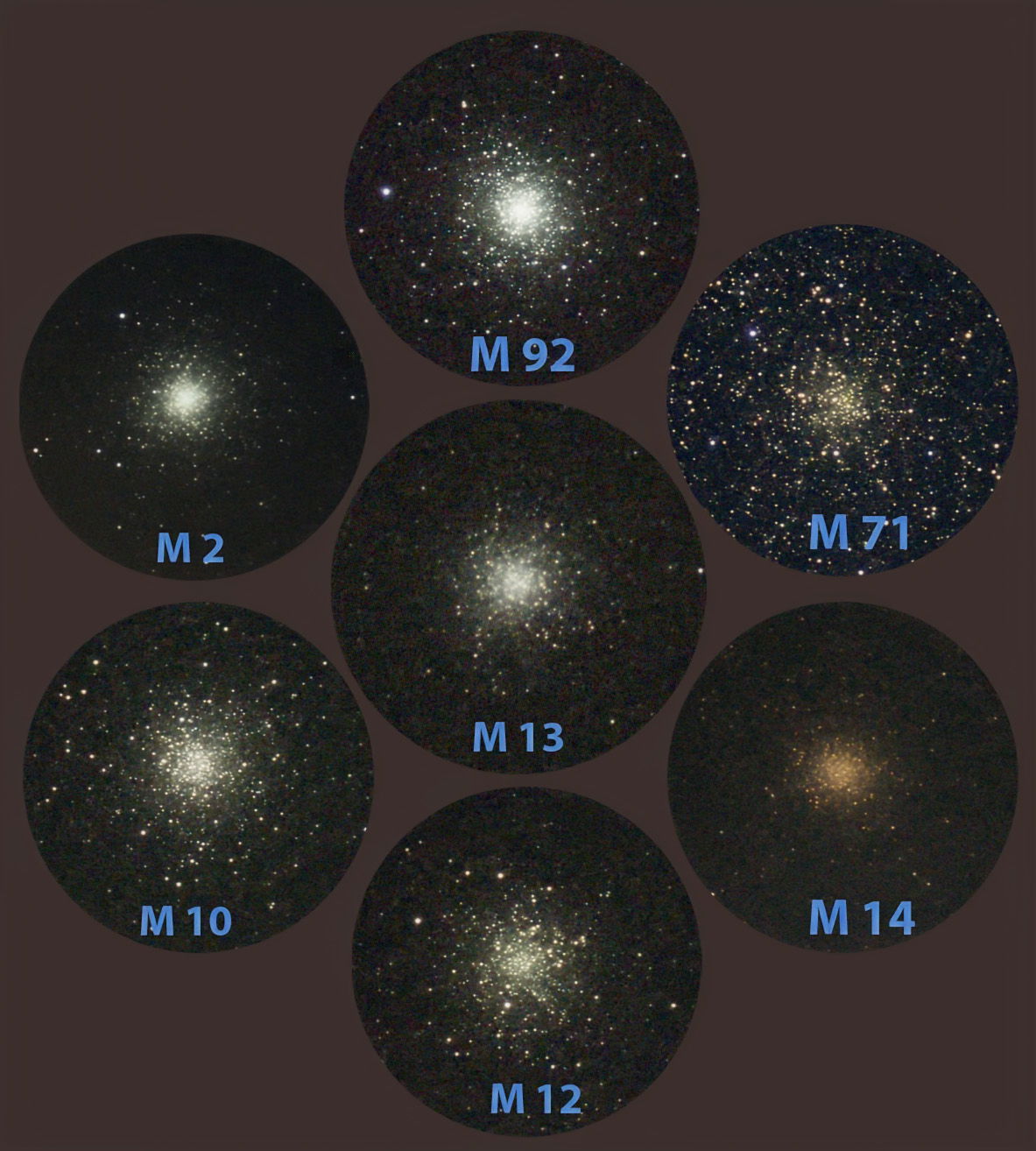
      • 7 globular clusters

        Globular clusters are dense, spherical collections of hundreds of thousands to several million stars. They are strongly bound together by gravity and are among the oldest known objects in the universe. Of the 110 objects in the Messier catalog, 39 are globular clusters. I photographed these seven yesterday. They are between 14,000 and 56,000 light-years away.

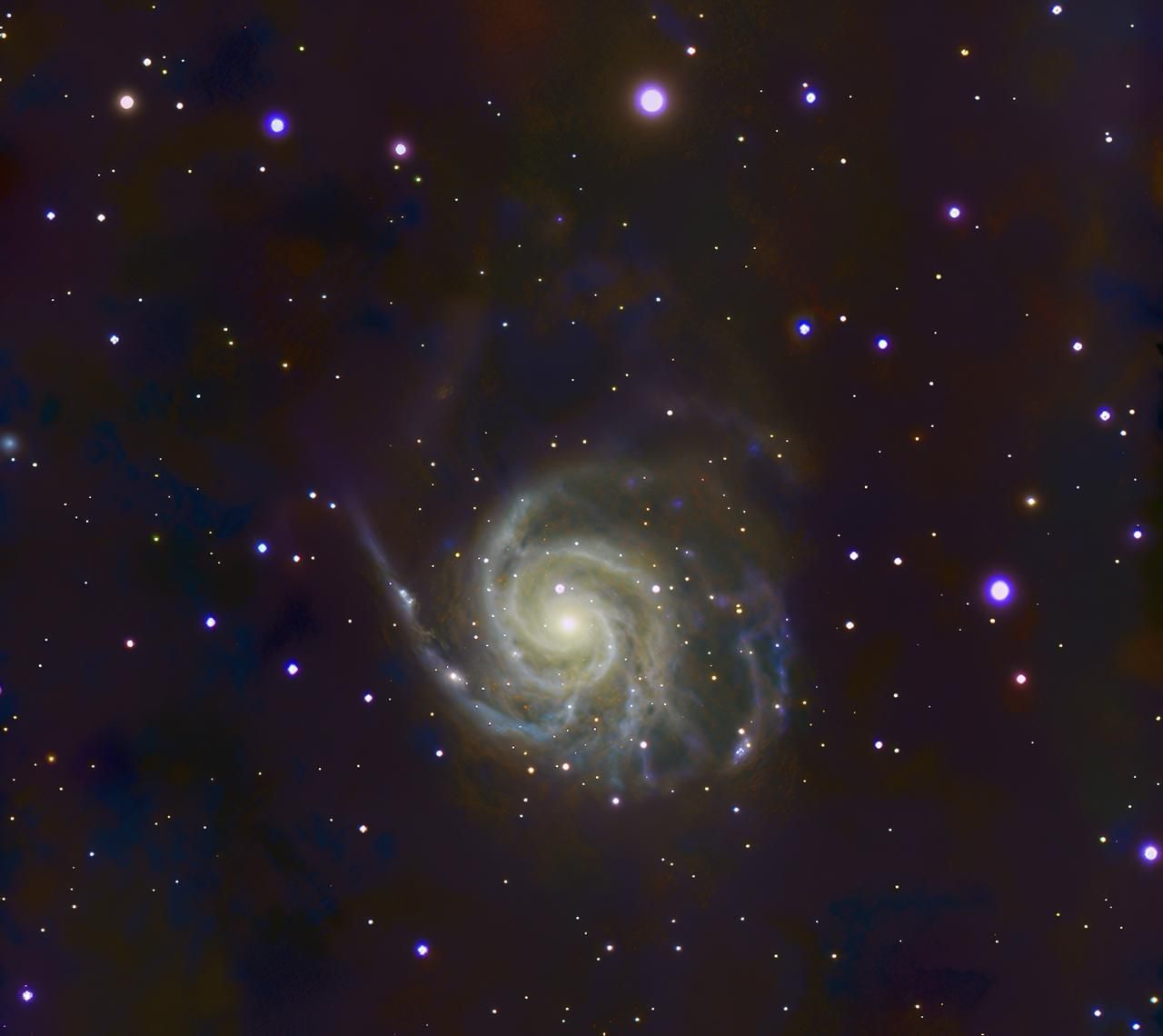
      • Firewheel Galaxy

        Messier 101, the pinwheel galaxy in the constellation Ursa Major, is 22 million light-years away.

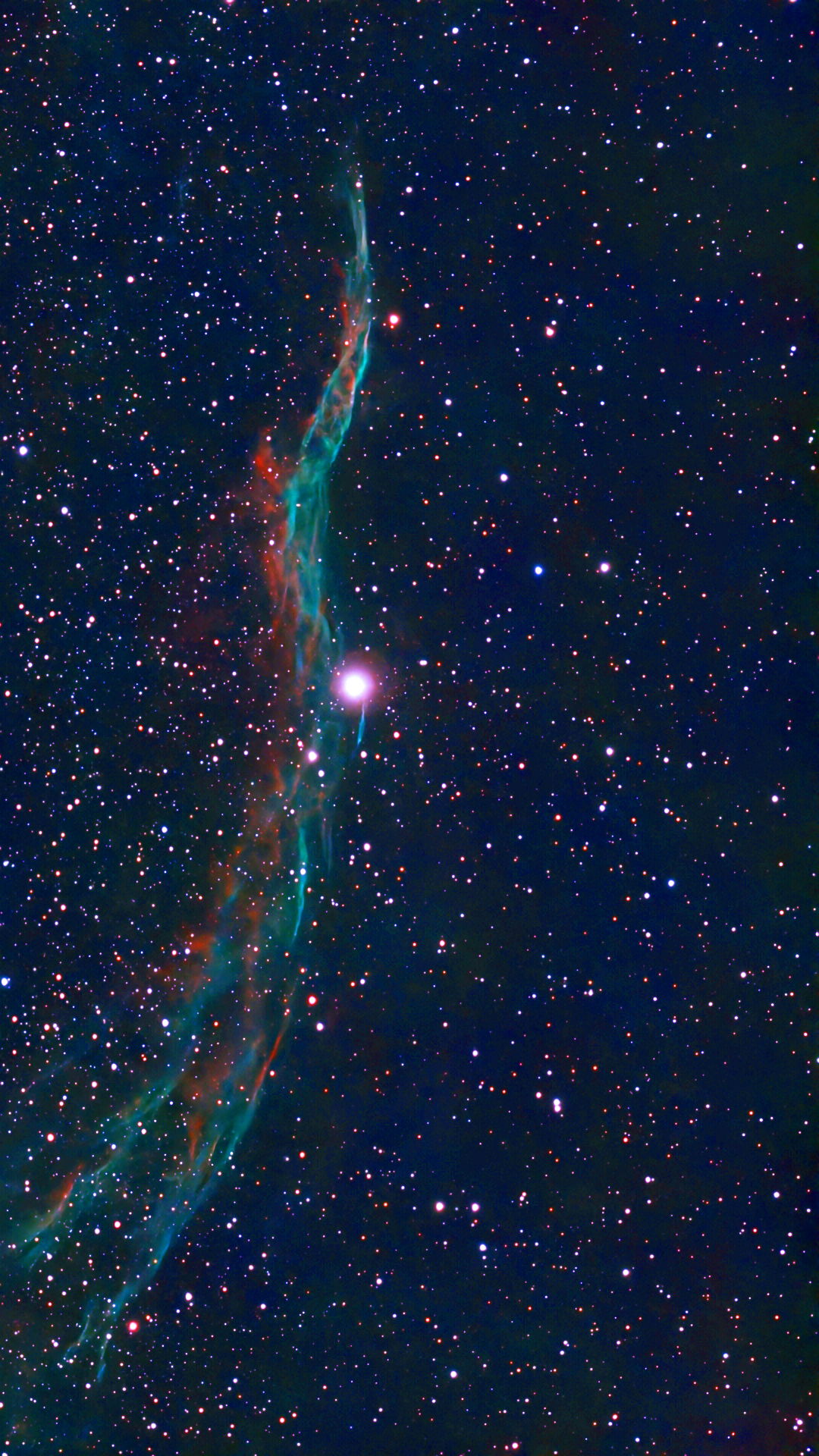
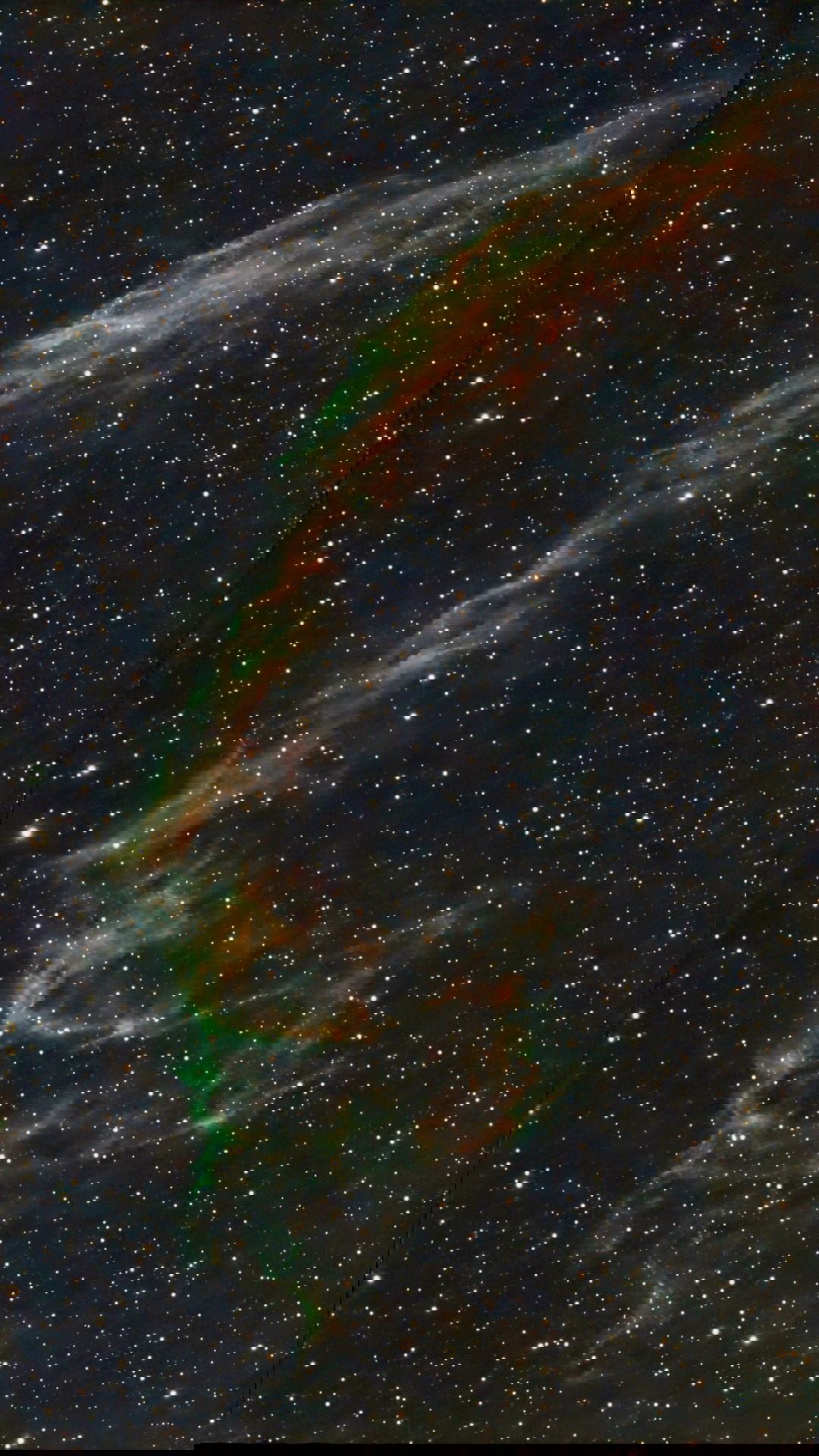
      • Cirrus Nebula or Veil Nebula

        The Veil Nebula, located approximately 2,500 light-years away in the constellation Cygnus, is the remnant of a supernova explosion that occurred about 8,000 years ago. The nebula is very extensive; we see only the western part here (NGC 6960). Oxygen gas glows blue-green, hydrogen red. Image taken September 18, 2025 – 30-minute exposure.
      • Veil fog - eastern part

        Veil Nebula (NGC 6992) - a consequence of the supernova explosion 8000 years ago.

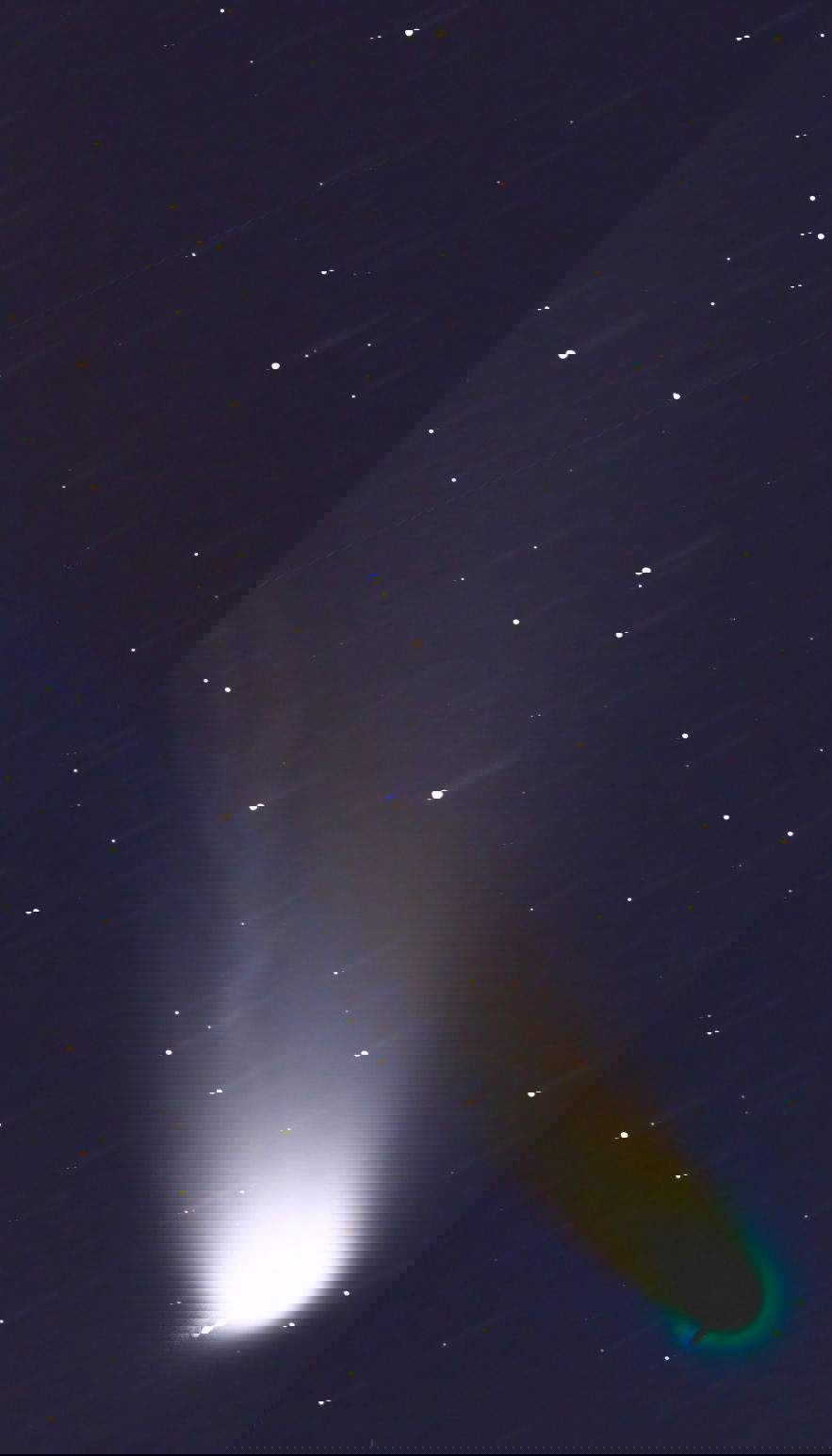
      • Comet Lemmon C/2025 A6

        30.10.2025

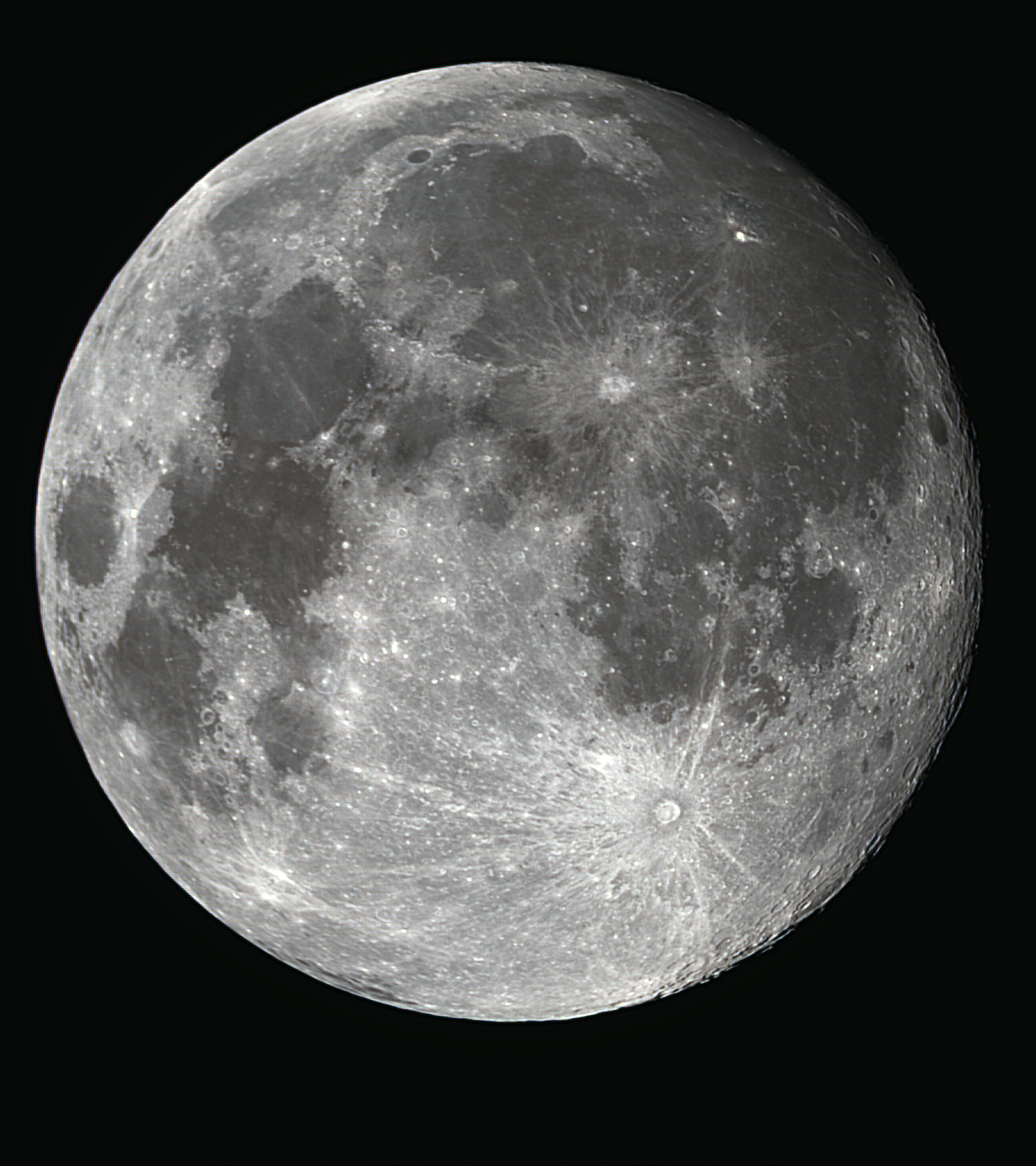
      • Supermoon

        November 4, 2025 - the Moon is now at its closest point to Earth this year, at only 356,000 km. The average distance is 384,400 km.

      Jürgens Astrophotos
      Copyright © 2026 All rights reserved
      • Home
      • amateur astronomy
      • Photobook
      • SEESTAR S50 recordings
      • Deep Sky - Galaxies, Nebulae
      • comets
      • planets
      • MOON
      • SUN
      • telescopes
      • about us
      • physics  
      • Photobook